Blog
Blood Pressure 101
Understanding Blood Pressure: A Guide to Better Heart Health
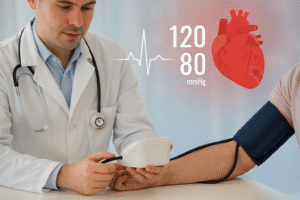
Blood pressure is a vital indicator of your heart and artery health. Knowing your numbers helps you stay in control of your body. This guide breaks down everything you need to know in simple terms.
What Is Blood Pressure?
Blood pressure is the force your blood applies to the walls of your arteries. It helps push blood through your body. This flow provides oxygen and nutrients to your organs.
Your blood pressure reading has two numbers:
-
Systolic (top number): Pressure when your heart pumps.
-
Diastolic (bottom number): Pressure when your heart rests between beats.
For example, a reading of 120/80 mmHg means 120 is your systolic and 80 is your diastolic.
Why Is Blood Pressure Important?
Blood pressure that’s too high or too low can be dangerous. It can cause problems in your heart, brain, and kidneys.
-
High blood pressure (hypertension) increases risk of heart attack and stroke.
-
Low blood pressure (hypotension) may cause dizziness, fainting, or fatigue.
Normal vs. Abnormal Blood Pressure Readings
Knowing what’s normal helps you track changes. The American Heart Association provides these guidelines:
| Blood Pressure Level | Systolic (mmHg) | Diastolic (mmHg) |
|---|---|---|
| Normal | <120 | <80 |
| Elevated | 120–129 | <80 |
| High (Stage 1) | 130–139 | 80–89 |
| High (Stage 2) | ≥140 | ≥90 |
| Hypertensive Crisis | ≥180 | ≥120 |
Tip: Track your readings daily in a Blood Pressure Journal to monitor your health over time.
Common Causes of High Blood Pressure
Many factors affect blood pressure levels. These include:
-
High salt intake
-
Obesity or excess weight
-
Smoking or alcohol use
-
Stress and poor sleep
-
Family history
Even lack of exercise can lead to rising numbers.
Symptoms to Watch For
Often, high blood pressure has no clear symptoms. That’s why it’s called the “silent killer.”
Some people may experience:
-
Headaches
-
Vision changes
-
Nosebleeds
-
Chest pain or irregular heartbeat
Low blood pressure may cause:
-
Lightheadedness
-
Blurred vision
-
Cold, pale skin
-
Rapid breathing
If symptoms occur often, speak to your doctor immediately.
How to Measure Blood Pressure at Home
Using a digital cuff at home is easy. Here’s how:
-
Sit in a relaxed position for 5 minutes.
-
Rest your arm on a table, cuff level with your heart.
-
Avoid caffeine, exercise, or smoking 30 minutes before checking.
-
Take 2 readings, 1 minute apart.
Record your results in a Blood Pressure Journal to detect trends. This helps doctors adjust treatment if needed.
Check out Home Monitoring Guide from the American Heart Association for more details.
Managing Your Blood Pressure Naturally
Lifestyle changes play a key role in control. Try these:
-
Eat a heart-healthy diet. Include fruits, vegetables, and whole grains.
-
Exercise regularly. Aim for 30 minutes a day, most days of the week.
-
Limit salt and alcohol. These both raise your numbers.
-
Manage stress. Meditation and breathing exercises help.
-
Quit smoking. It damages arteries and raises risk.
Small daily steps bring long-term benefits.
Using a Blood Pressure Journal Effectively
Write down your readings at the same time each day. Include:
-
Date and time
-
Blood pressure numbers
-
Any symptoms you feel
-
Medications or activity before the reading
This log becomes a valuable tool during doctor visits. A digital Blood Pressure Journal app also works well for tracking on the go.
When to See a Doctor
Call a doctor if your readings:
-
Stay above 140/90 mmHg
-
Drop below 90/60 mmHg with symptoms
-
Fluctuate wildly day to day
You should also seek care if you feel dizzy, have chest pain, or notice changes in vision.
Helpful Tools and Resources
Want to track your readings better? Use our free Blood pressure Journal template when you purchase our Blood Pressure Master Guide: Click here to purchase our Blood Pressure Master Guide.
Conclusion
Blood pressure affects more than just your heart. It plays a role in your entire body’s health. Knowing your numbers and using tools like a Blood Pressure Journal helps you stay in control.
Start monitoring today. Small habits lead to stronger health tomorrow.
